Future of UX: Interfaces That Adapt, Feel, and Learn
1. Introduction: The Silent Shock in UX
While legions of designers polish static interfaces, a quiet revolution is underway. UX is entering a post-intuitive era - one where the interfaces we know struggle to keep pace with users who are increasingly mobile, unpredictable, and complex.
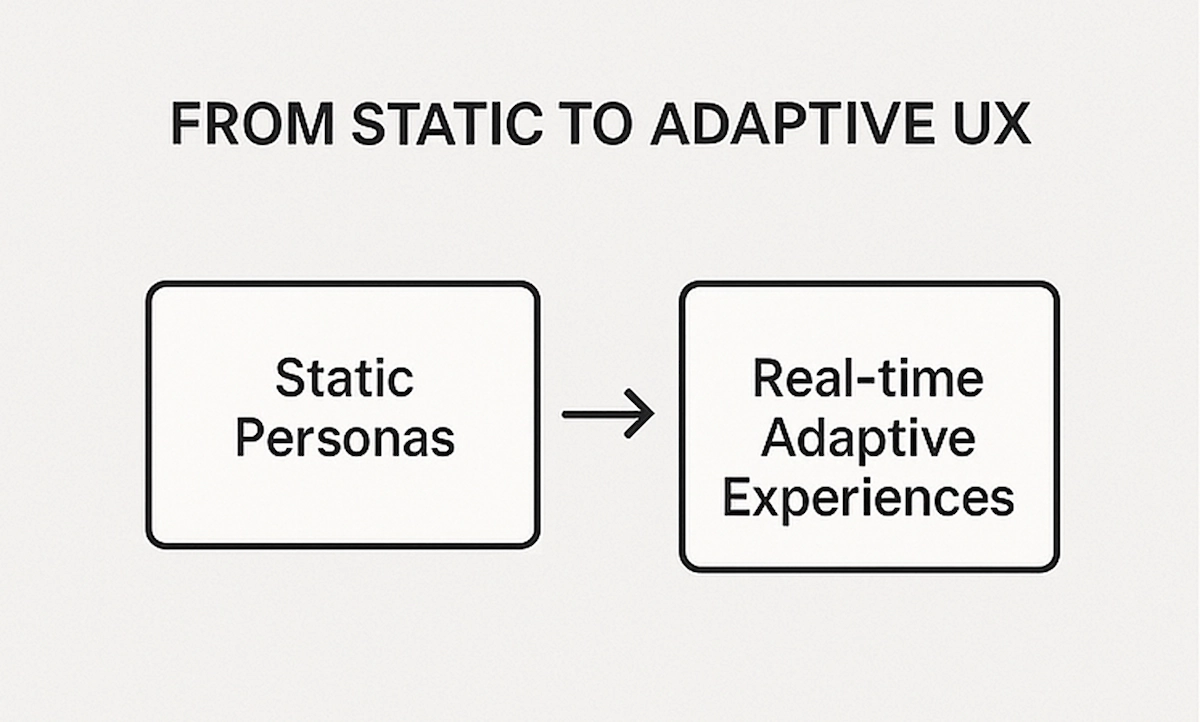
What if your personas - the fixed portraits of your ideal users - are already obsolete? Today, AI is rewriting the rulebook. UX no longer stops at aesthetics; it becomes sensitive, adaptive, and connected to real-world context. The future of user experience isn’t designed - it’s co-written in real time.
2. Why Traditional UX Is Hitting Its Limits
Current UX methods rely on hypotheses tested in stable environments. But users are anything but stable: their emotions, contexts, and needs shift constantly. Yet we still deliver “one-size-fits-all” experiences.
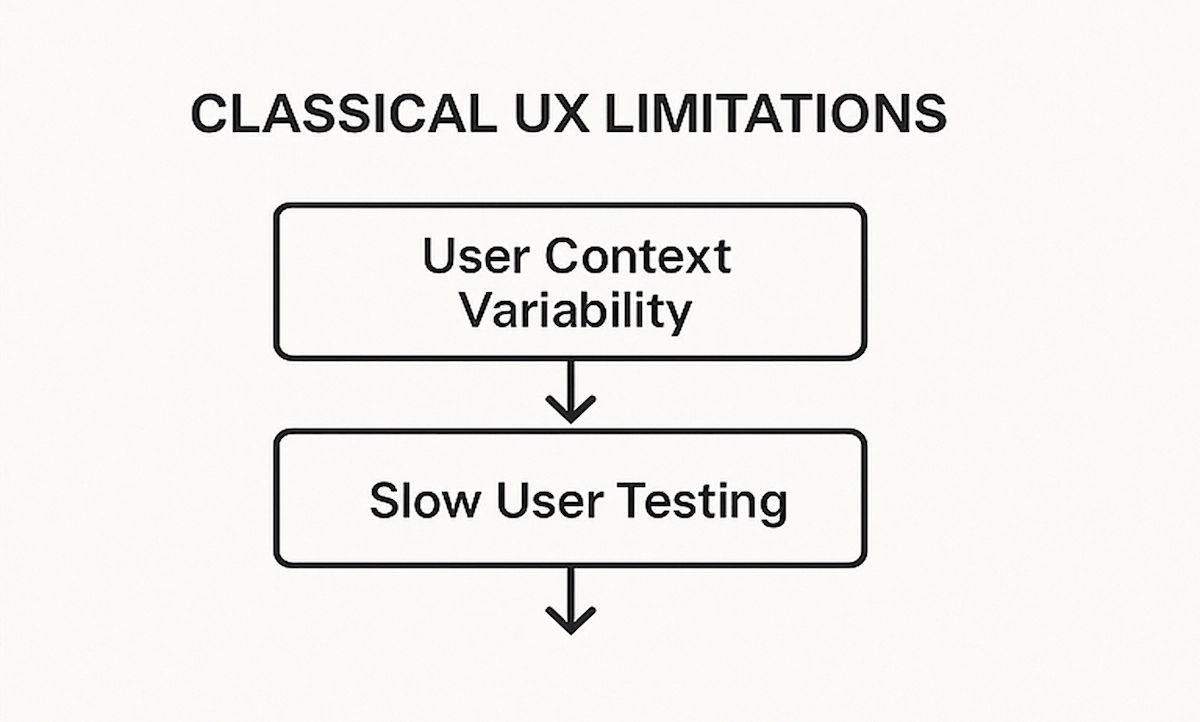
User tests are slow, feedback arrives too late, and interfaces stay rigid. This model has run its course. Tomorrow’s UX must do more than guess intent - it must detect, anticipate, and feel it. The real challenge isn’t just beauty or simplicity; it’s dynamic relevance.
3. AI Is a Game-Changer: Toward Adaptive, Sensitive, Contextual UX
AI fundamentally transforms design by capturing not just actions, but timing, context, emotion, and user journey.
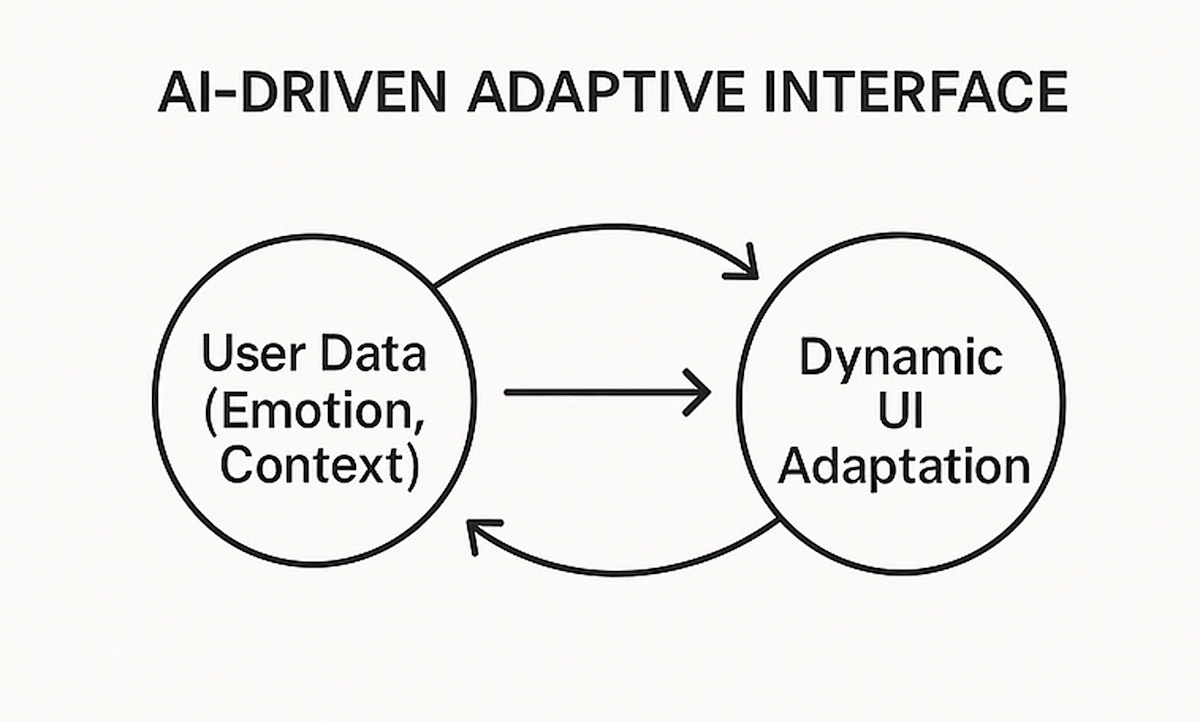
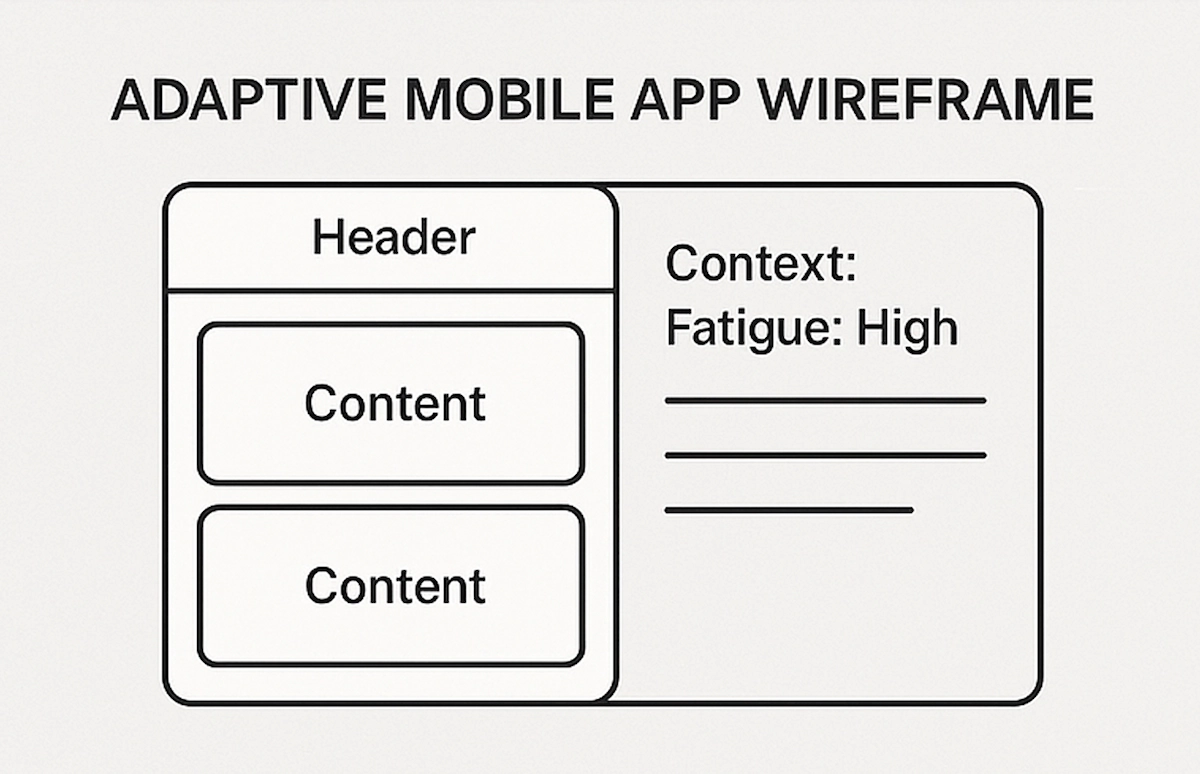
An AI-powered interface isn’t merely a skin - it’s a living organism, adjusting its behavior in real time. Imagine an interface that reduces cognitive load when it senses fatigue, mutes distractions when you’re focused, or shifts its tone if it detects stress. That’s the shift from predicted UX to predicted-and-felt UX.
“The best interface is the one that disappears” - this vision comes to life when UX truly understands its user.
4. The Five Technologies Driving This Revolution
These capabilities rest on the convergence of advanced technologies:
- NLP & Generative AI
Conversational interfaces that understand tone, intent, and context like a human. - Real-Time Behavioral Scoring
Every click, scroll, or hesitation feeds an immediate adaptation engine. - Dynamic UI via APIs & Design Systems
Flexible components orchestrated as intelligent, live-adjusting building blocks. - Edge Computing
Local data processing for zero-latency, environment-aware responses. - Heatmaps + AI Analytics
Frictions detected, analyzed, and auto-resolved via predictive rules.
5. Real-World Examples in Production
This isn’t science fiction - it’s happening now:
Innovative Startups
- Mutiny: Real-time marketing personalization without code.
- Builder.io: AI-generated, orchestrated UI components.
- Evolv AI: Machine-learning-driven A/B/N testing for continuous UX optimization.
6. Implications for Designers and Product Teams
Designers no longer sketch static screens - they architect a grammar of adaptive interactions. They think in evolving systems, leverage live data, intentional rules, and AI-driven scenarios. Their new ally is the data scientist or prompt engineer. Together, they build instant feedback loops so interfaces evolve as fast as needs do.
Key Shifts
- Rule-based, dynamic design systems.
- Multi-scenario UX experiences tested and optimized continuously.
- A renewed design ethic: accessibility, digital sustainability, and algorithmic transparency.
7. What We’re Exploring at VirtuoCode / Whitenode.AI
At VirtuoCode / Whitenode.AI, UX isn’t an afterthought - it’s the engine of product-user relationships. We’re developing autonomous UX agents that adapt interfaces by transport mode, location, device, perceived mood, and frustration level.
12-Month Vision
A live-tuning framework that fine-adjusts UI components based on behavioral data.
Are you a forward-thinking company or pioneering designer? Join us to co-create this future.
8. Conclusion: UX Will No Longer Be Designed - It Will Be Co-Written
The user no longer adapts to the interface. The interface adapts to the user-understanding and aligning with their intent. UX evolves from a one-time deliverable into a real-time dialogue: a relationship, a presence, an intelligent partnership.
.svg)
.svg)